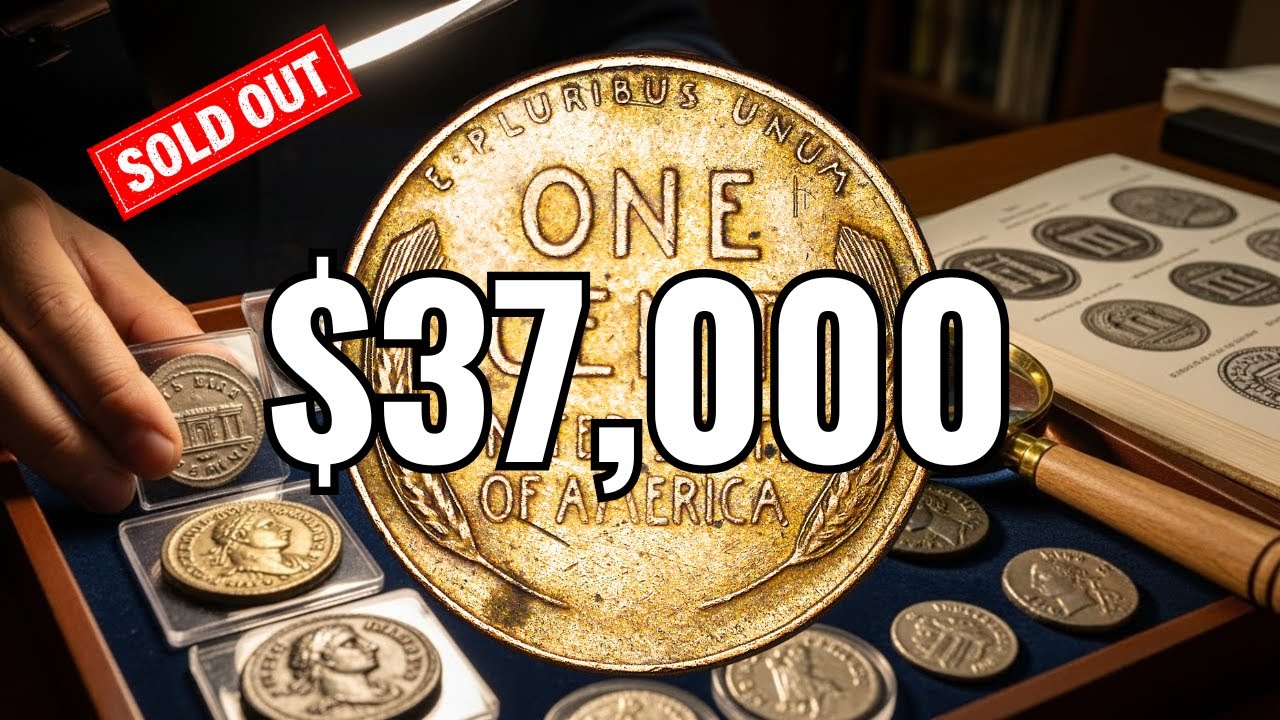
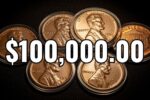
Wheat pennies, officially known as Lincoln Wheat Cents, were minted in the United States between 1909 and 1958. They are among the most beloved coins in American numismatics, admired for their historical significance and distinctive design featuring two wheat stalks on the reverse. While many wheat pennies are common and worth only a few cents, certain rare varieties can command staggering prices, sometimes exceeding $37,000. These coins are prized not only for their scarcity but also for the stories they carry from the early 20th century.
Why Wheat Pennies Are Valuable
The value of a wheat penny depends on several factors, including rarity, mint errors, condition, and demand among collectors. Coins with limited mintage or unique production mistakes often rise to extraordinary values. Collectors also pay close attention to grading, as coins in pristine condition can be worth exponentially more than those with heavy wear. Beyond monetary value, wheat pennies hold cultural importance, representing a period of American history marked by economic challenges, wartime resilience, and industrial growth.
1909-S VDB Wheat Penny
One of the most famous and desirable wheat pennies is the 1909-S VDB. This coin was minted in San Francisco during the first year of the Lincoln cent’s release. The initials “VDB,” representing designer Victor David Brenner, were placed prominently on the reverse. Public criticism led to their removal, making the 1909-S VDB extremely rare. With only about 484,000 produced, it has become a cornerstone of any serious penny collection. In high-grade condition, this coin can easily surpass $37,000, especially when certified by professional grading services.
1914-D Wheat Penny
The 1914-D penny, minted in Denver, is another rarity that commands immense value. With a mintage of just over one million, it is scarce compared to other wheat pennies. Most surviving examples are heavily worn, making high-grade specimens exceptionally valuable. Collectors often seek this coin to complete their Lincoln cent sets, and its scarcity ensures strong demand. Depending on condition, the 1914-D can reach values well above $37,000, particularly in mint state grades.

1922 No D Wheat Penny
The 1922 No D penny is a fascinating error coin. It was minted in Denver, but due to a worn die, some coins were struck without the “D” mint mark. This accidental omission created one of the most famous varieties in the Lincoln cent series. Collectors prize this coin for its rarity and the intriguing story behind its creation. Authentic examples in fine condition are worth thousands, while uncirculated specimens can exceed $37,000. The 1922 No D remains a highlight for error coin enthusiasts.
1931-S Wheat Penny
The 1931-S penny is notable for its low mintage of just 866,000, making it one of the scarcest wheat pennies of the era. Although not an error coin, its rarity alone drives its value. Many collectors overlook this coin, but those who recognize its importance understand its potential worth. In pristine condition, the 1931-S can fetch prices beyond $37,000, especially when demand surges among numismatists seeking to complete their collections.
1943 Copper Wheat Penny
Perhaps the most legendary of all wheat pennies is the 1943 copper cent. During World War II, the U.S. Mint switched to zinc-coated steel to conserve copper for the war effort. However, a small number of copper planchets from 1942 were mistakenly used in 1943, creating one of the rarest coins in American history. Only a handful of genuine 1943 copper pennies exist, and they are worth far more than $37,000, often selling for hundreds of thousands at auction. This coin represents a perfect blend of rarity, historical significance, and collector demand.
Factors That Influence Value
Several elements determine the final value of a rare wheat penny. Condition is paramount, with coins graded as Mint State or Proof commanding the highest prices. Rarity, both in terms of mintage numbers and unique errors, also plays a critical role. Provenance can add prestige, as coins from famous collections often sell for premiums. Market demand fluctuates, but rare wheat pennies consistently remain in high regard among collectors, ensuring their long-term value.
Tips for Collectors
For those interested in collecting wheat pennies, knowledge and patience are essential. Beginners should start by familiarizing themselves with common dates before pursuing rarities. Investing in a magnifying glass and coin grading references can help identify valuable varieties. It is also wise to purchase coins from reputable dealers or auctions to avoid counterfeits. Proper storage in protective holders will preserve condition and safeguard long-term value. Collectors who build complete sets often find that even common coins gain significance when paired with rarities.
The Cultural Legacy of Wheat Pennies
Beyond their monetary worth, wheat pennies symbolize a piece of American heritage. They circulated during pivotal moments in history, from the Great Depression to World War II. Holding a rare wheat penny is like holding a fragment of the past, connecting collectors to generations who used these coins in everyday life. Their enduring popularity reflects not only their rarity but also the nostalgia they evoke. For many, wheat pennies are more than collectibles—they are tangible links to history.
Conclusion
Rare wheat pennies continue to captivate collectors with their blend of scarcity, historical intrigue, and financial value. Coins such as the 1909-S VDB, 1914-D, 1922 No D, 1931-S, and 1943 copper stand out as treasures worth over $37,000. Each carries a unique story, whether tied to design controversies, minting errors, or wartime production changes. For collectors, these coins represent both an investment and a passion, offering the thrill of discovery and the satisfaction of preserving history. As interest in numismatics grows, rare wheat pennies will remain at the forefront of coin collecting, embodying the timeless allure of America’s most iconic cent.