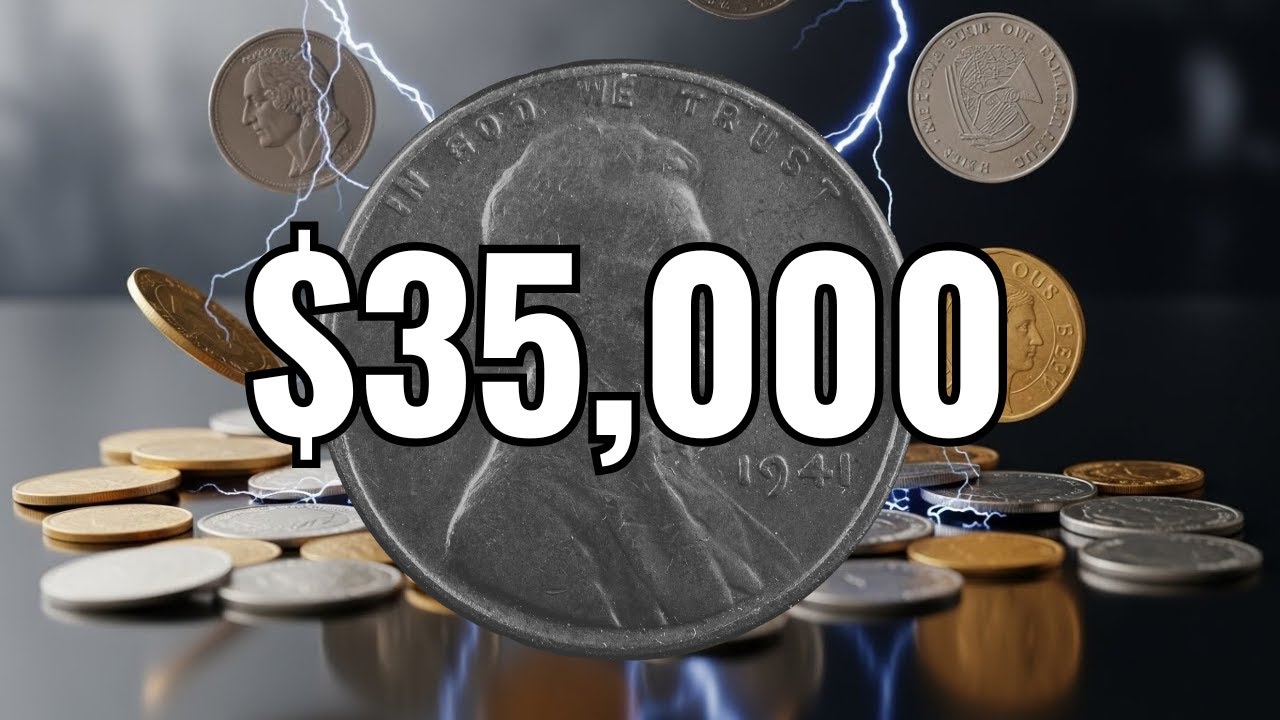
The 1941 Wheat Penny is one of the most fascinating coins in American numismatics. Struck during the early years of World War II, this coin carries both historical and collectible significance. While millions were minted, certain rare variations and pristine conditions have made some examples worth tens of thousands of dollars. Collectors and investors alike are drawn to the Wheat Penny series for its iconic design, affordability in lower grades, and potential for extraordinary value in rare cases.
Historical Background of the Wheat Penny
The Wheat Penny, officially known as the Lincoln Cent, was first introduced in 1909 to honor the centennial of Abraham Lincoln’s birth. Designed by Victor David Brenner, the coin features Lincoln’s portrait on the obverse and two wheat stalks on the reverse, symbolizing prosperity and agricultural strength. By 1941, the coin had already become a staple of American currency, circulating widely across the nation. The year 1941 was particularly significant as the United States was on the brink of entering World War II, making coins from this era a tangible piece of history.

Mint Locations and Production Numbers
In 1941, Wheat Pennies were produced at three different mints: Philadelphia, Denver, and San Francisco.
- Philadelphia Mint: Produced the largest number of coins without a mint mark.
- Denver Mint: Coins bear the “D” mint mark.
- San Francisco Mint: Coins carry the “S” mint mark.
The combined mintage exceeded one billion coins, making the 1941 Wheat Penny one of the most common issues of the series. However, rarity does not always depend solely on mintage numbers. Condition, errors, and unique characteristics can elevate a coin’s value dramatically.
Key Factors That Determine Value
The value of a 1941 Wheat Penny depends on several important factors:
- Condition: Coins in uncirculated or mint state condition are worth significantly more.
- Mint Mark: Pennies from Denver and San Francisco can carry higher premiums compared to Philadelphia issues.
- Errors and Varieties: Double dies, off-center strikes, and other minting errors can make a coin extremely valuable.
- Historical Appeal: Collectors often pay more for coins tied to significant historical periods.
Common Values for Circulated Coins
Most 1941 Wheat Pennies found in circulation today are worth between a few cents and a couple of dollars. Their value is modest because of the high mintage and widespread availability. However, even circulated coins can be appealing to beginner collectors who enjoy building complete sets of Lincoln Cents.
Uncirculated and Mint State Examples
Coins that have never been used in commerce and retain their original luster are classified as uncirculated. Mint State examples graded by professional services can command much higher prices. A 1941 Wheat Penny in Mint State 65 or higher can be valued at $20 to $50, depending on the mint mark. Exceptional examples with flawless surfaces and sharp details can reach several hundred dollars.
Rare Varieties and Errors Worth Thousands
The most exciting aspect of the 1941 Wheat Penny lies in its rare varieties and errors. Collectors are always on the lookout for coins with unusual features that occurred during the minting process. Some of the most notable include:
- Double Die Obverse: Coins where Lincoln’s profile or lettering appears doubled.
- Off-Center Strikes: Coins struck outside the normal alignment, creating dramatic visual errors.
- Repunched Mint Marks: Variations where the mint mark was stamped more than once.
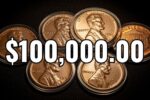
These rare varieties can transform a coin’s value from a few dollars to thousands. In fact, certain error coins have been auctioned for over $35,000, making them highly sought after by advanced collectors.
Auction Records and Notable Sales
Auction houses and numismatic events have showcased remarkable sales of 1941 Wheat Pennies. While most examples sell for modest amounts, rare varieties in pristine condition have broken records. A double die or exceptionally preserved coin can attract intense bidding wars, pushing values into the tens of thousands. These sales highlight the importance of careful grading and authentication when dealing with rare coins.
Collecting Strategies for Beginners
For those new to coin collecting, the 1941 Wheat Penny offers an accessible entry point. Beginners can start by searching through old coin jars, estate sales, or local coin shops. Building a complete set of Lincoln Wheat Pennies from 1909 to 1958 is a popular goal among collectors. The 1941 issue, being relatively common, is easy to obtain in circulated condition, but the challenge lies in finding high-grade or rare error examples.
Investment Potential of the 1941 Wheat Penny
While coin collecting is often driven by passion, the investment potential of rare coins cannot be ignored. The 1941 Wheat Penny demonstrates how a seemingly ordinary coin can hold extraordinary value under the right circumstances. Investors should focus on coins with certified grades, rare varieties, and strong historical appeal. As demand for numismatic treasures continues to grow, the potential for appreciation remains strong.
Preservation and Care of Wheat Pennies
Proper preservation is essential to maintaining the value of any coin. Collectors should avoid cleaning coins, as this can damage surfaces and reduce value. Instead, coins should be stored in protective holders, albums, or cases that prevent exposure to moisture and air. Handling coins with clean hands or gloves is recommended to avoid oils and dirt transferring to the coin’s surface.
The Role of Professional Grading
Professional grading services play a crucial role in determining the authenticity and value of rare coins. Organizations such as PCGS and NGC provide standardized grading scales that help collectors and investors understand the quality of their coins. A certified grade not only enhances a coin’s value but also provides assurance to buyers and sellers in the marketplace.
Why the 1941 Wheat Penny Captures Collectors’ Hearts
Beyond its monetary value, the 1941 Wheat Penny represents a piece of American history. Its design connects collectors to the legacy of Abraham Lincoln, while its production during a pivotal era adds depth to its story. For many, owning a 1941 Wheat Penny is not just about investment but about preserving a tangible link to the past.
Conclusion
The 1941 Wheat Penny is a coin that bridges the gap between common circulation and rare collectible. While most examples are worth only a few cents, rare varieties and pristine conditions can elevate their value to over $35,000. Collectors cherish this coin for its historical significance, design, and potential for extraordinary rarity. Whether you are a beginner searching through pocket change or an experienced numismatist hunting for rare varieties, the 1941 Wheat Penny remains a timeless treasure in the world of coin collecting.