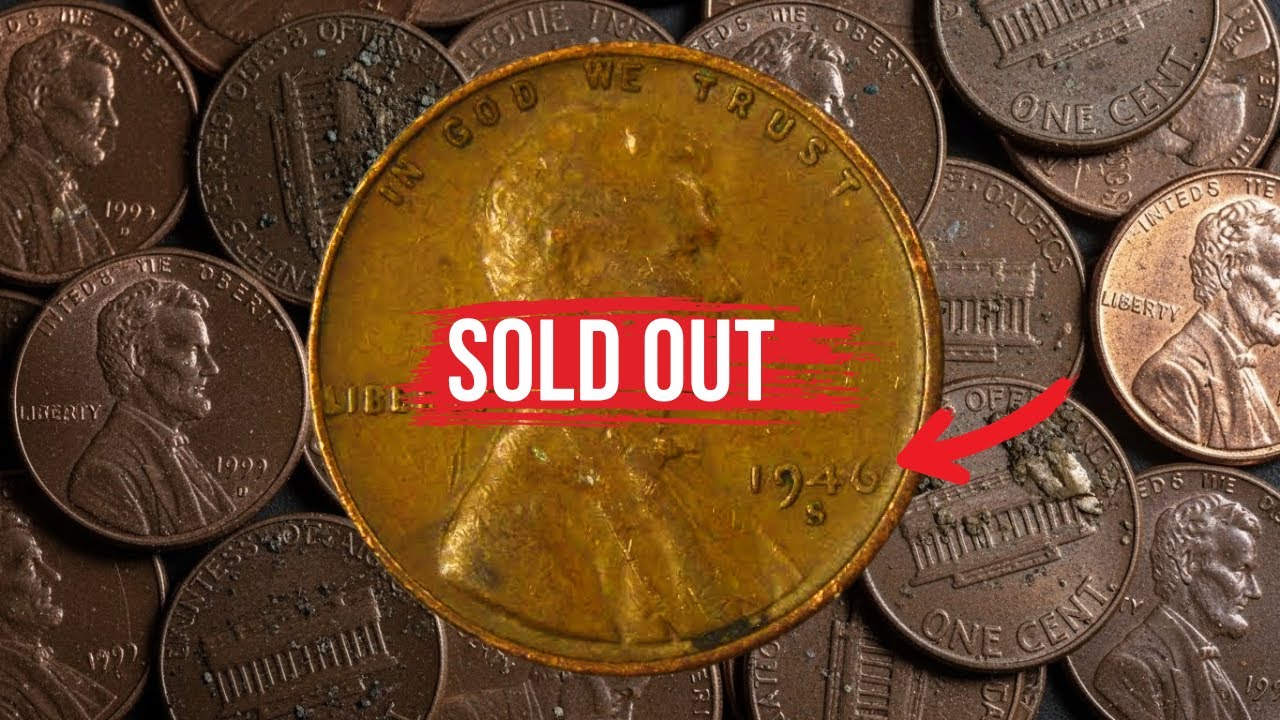
Wheat pennies, officially known as Lincoln Wheat Cents, have captured the imagination of collectors for decades. First minted in 1909, these coins feature the iconic portrait of Abraham Lincoln on the obverse and two wheat stalks on the reverse. Their historical significance, combined with rarity and condition, makes them highly sought after in the numismatic world. For many collectors, discovering a rare wheat penny feels like uncovering a hidden treasure tucked away in everyday pocket change.
Historical Background of the Lincoln Wheat Cent
The Lincoln Wheat Cent was introduced to commemorate the centennial of Abraham Lincoln’s birth. Designed by Victor David Brenner, the coin was revolutionary at the time because it was the first U.S. coin to feature a real person rather than a symbolic figure. The wheat design on the reverse symbolized prosperity and agricultural strength, reflecting America’s values in the early 20th century. Minted from 1909 until 1958, these coins witnessed major historical events, including two world wars and the Great Depression, making them a tangible piece of American history.

Why Some Wheat Pennies Are Worth Thousands
Not all wheat pennies are created equal. While most are worth only a few cents above face value, certain rare varieties can fetch staggering sums. The value of a wheat penny depends on several factors: rarity, mint errors, year of issue, and condition. Coins with low mintage numbers or unique errors are especially prized. For example, a coin struck with doubled lettering or produced at a mint with limited output can command prices well into the thousands. Collectors are willing to pay extraordinary amounts for these rarities, sometimes exceeding $74,837 for the most coveted examples.
The Legendary 1943 Copper Wheat Penny
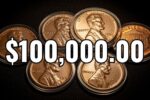
One of the most famous and valuable wheat pennies is the 1943 copper cent. During World War II, the U.S. Mint switched from copper to steel to conserve resources for the war effort. However, a few copper planchets accidentally slipped through the presses, resulting in an extremely rare coin. Today, the 1943 copper penny is considered a holy grail among collectors. Depending on condition, these coins have sold for tens of thousands of dollars, with some reaching values over $100,000. Owning one of these pennies is like holding a piece of wartime history in your hand.
Other Valuable Wheat Penny Varieties
Beyond the 1943 copper cent, several other wheat pennies are highly valuable. The 1909-S VDB penny, minted in San Francisco with designer Victor David Brenner’s initials, is a prime example. With a limited mintage, it remains one of the most desirable coins in the series. The 1914-D penny is another rarity, especially in high grades, often commanding thousands of dollars. Error coins, such as doubled dies or off-center strikes, also attract significant attention. Each of these varieties tells a unique story about minting practices and the challenges of coin production in their era.
The Role of Condition and Grading
Condition plays a critical role in determining the value of a wheat penny. Coins are graded on a scale from poor to mint state, with higher grades indicating better preservation. A penny that has been in circulation for decades may show heavy wear, reducing its value. Conversely, a coin stored carefully and preserved in pristine condition can be worth exponentially more. Professional grading services evaluate coins based on luster, strike quality, and surface preservation, giving collectors confidence in their investments. For rare wheat pennies, even a slight improvement in grade can mean thousands of dollars in added value.
How to Identify Rare Wheat Pennies
Identifying rare wheat pennies requires careful examination. Collectors often look for specific mint marks, such as “S” for San Francisco or “D” for Denver, which can indicate lower mintage numbers. Errors like doubled lettering or unusual coloration may also signal rarity. Using a magnifying glass or coin loupe helps reveal details that are invisible to the naked eye. Reference guides and coin catalogs provide valuable information about which years and varieties are most sought after. For beginners, starting with a simple checklist of key dates and mint marks is an excellent way to begin the hunt.
The Thrill of Coin Collecting
Coin collecting is more than just a hobby; it is a journey through history. Each wheat penny represents a snapshot of America’s past, from wartime sacrifices to economic struggles and cultural milestones. Collectors often describe the thrill of discovering a rare coin as exhilarating, akin to finding buried treasure. The pursuit of rare wheat pennies combines patience, knowledge, and a bit of luck. Whether searching through old jars of coins or attending auctions, the excitement lies in the possibility that a small copper coin could be worth tens of thousands of dollars.
Stories of Incredible Finds
There are countless stories of individuals stumbling upon valuable wheat pennies in unexpected places. Some have discovered rare coins in inherited collections, while others found them in circulation or tucked away in piggy banks. These tales fuel the fascination with coin collecting, reminding us that treasures can still be hidden in plain sight. The idea that a penny worth less than a dollar could be valued at over $74,837 inspires collectors to keep searching. Such stories highlight the enduring allure of numismatics and the potential rewards of persistence.
Investing in Rare Coins
For many, rare wheat pennies are not just collectibles but also investments. The numismatic market has shown consistent growth, with rare coins appreciating in value over time. Unlike stocks or bonds, coins offer tangible assets that can be held and admired. However, investing in coins requires knowledge and caution. Understanding market trends, grading standards, and authenticity is essential to avoid costly mistakes. While the potential for profit is significant, the true value of coin collecting lies in the passion and historical connection it provides.
Preserving Your Collection
Proper preservation is vital to maintaining the value of wheat pennies. Coins should be stored in protective holders or albums to prevent scratches and tarnish. Avoid cleaning coins, as this can damage their surfaces and reduce their value. Climate-controlled environments help prevent oxidation and discoloration. Collectors often invest in specialized storage solutions to safeguard their treasures. By preserving coins carefully, collectors ensure that future generations can appreciate their beauty and historical significance.
Conclusion: Could You Own a Fortune in Pennies?
The allure of rare wheat pennies lies in their blend of history, rarity, and value. While most pennies are worth only a fraction above face value, certain varieties can command prices exceeding $74,837. From the legendary 1943 copper cent to the elusive 1909-S VDB, these coins represent more than currency—they are artifacts of America’s past. For collectors and enthusiasts, the possibility of owning one of these treasures is both thrilling and inspiring. Perhaps tucked away in your change jar or passed down through family, a rare wheat penny could be waiting to reveal its hidden fortune.