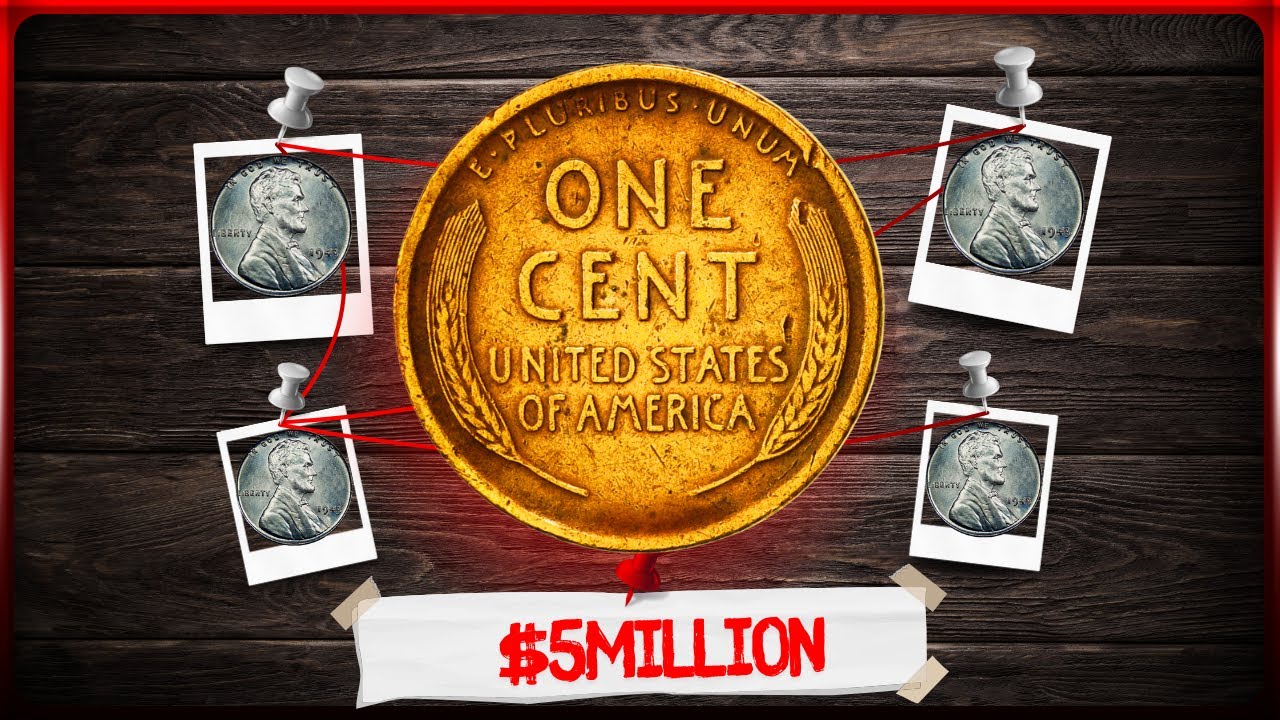
Coin collecting has always been a pursuit that blends history, art, and investment. Among the most sought-after coins in American numismatics are Wheat Pennies, minted between 1909 and 1958. These coins, featuring the iconic wheat stalks on the reverse, were once everyday currency but today hold immense value when rare varieties are discovered. Some of these pennies are so scarce and historically significant that their worth surpasses the price of luxury cars, making them treasures for collectors and investors alike.
Why Wheat Pennies Can Be Worth Fortunes
The value of a coin is determined by rarity, condition, and demand. Wheat Pennies that were minted in limited numbers, contain minting errors, or are preserved in pristine condition can command staggering prices at auctions. Collectors are drawn to them not only for their monetary value but also for the stories they tell about American history, the evolution of minting technology, and the quirks of human error that created unique varieties. Owning one of these rare pennies is like holding a piece of history that has survived decades, often against all odds.
1943 Copper Wheat Penny
One of the most famous and valuable Wheat Pennies is the 1943 Copper Penny. During World War II, the U.S. Mint switched from copper to steel to conserve copper for wartime needs. However, a few copper planchets were mistakenly used, resulting in an extremely rare coin. Only a handful are known to exist, and they have sold for hundreds of thousands of dollars. In pristine condition, a 1943 Copper Penny can fetch prices that rival or exceed luxury cars, making it a legendary piece in the coin-collecting world.
1909-S VDB Wheat Penny
The 1909-S VDB is another iconic rarity. It was the first year of the Lincoln cent, designed by Victor David Brenner, whose initials “VDB” were placed prominently on the reverse. Public controversy over the initials led to their removal, but not before a limited number were minted in San Francisco. With fewer than 500,000 produced, this coin is highly coveted. In top condition, it can command tens of thousands of dollars, easily surpassing the cost of high-end vehicles. Collectors prize it as both a historical artifact and a symbol of the birth of the Lincoln cent series.
1914-D Wheat Penny
The 1914-D Wheat Penny is another rarity that excites collectors. Minted in Denver, this coin had a relatively low mintage of just over one million, but few survived in good condition. Its scarcity in high grades makes it one of the most valuable Wheat Pennies. Prices for well-preserved examples often reach into the tens of thousands, rivaling the cost of luxury sedans. The 1914-D is a testament to how scarcity and condition can elevate a seemingly ordinary coin into a prized collectible.
1922 No D Wheat Penny
The 1922 No D Wheat Penny is a fascinating error coin. Produced in Denver, some coins were struck with worn dies that failed to leave the “D” mint mark. As a result, collectors discovered a variety without the mint mark, making it extremely rare. This error coin is highly sought after, with values soaring into the tens of thousands depending on condition. Its uniqueness lies in the fact that it was not intentionally created but rather a product of minting imperfections, which often intrigue collectors even more.
1931-S Wheat Penny
The 1931-S Wheat Penny is another low-mintage rarity. With fewer than one million produced, it is one of the scarcest coins of the series. While not as famous as the 1943 Copper or 1909-S VDB, its rarity and historical significance make it a valuable addition to any collection. High-grade examples can sell for thousands, rivaling the price of luxury cars when demand peaks. Collectors appreciate its understated rarity, as it represents one of the final low-mintage issues before production increased in later years.
The Role Of Condition In Value
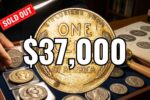
Condition plays a critical role in determining the value of Wheat Pennies. Coins graded as Mint State or with minimal wear can be worth exponentially more than those in circulated condition. Collectors often seek coins certified by professional grading services to ensure authenticity and quality. A rare penny in pristine condition can multiply in value, making it not just a collectible but a serious investment. This is why many collectors go to great lengths to preserve their coins in protective cases and controlled environments.
Historical Significance Of Wheat Pennies
Beyond their monetary value, Wheat Pennies carry immense historical significance. They were introduced in 1909 to commemorate the centennial of Abraham Lincoln’s birth, making them the first U.S. coin to feature a president. Over the decades, they witnessed major events in American history, from the Great Depression to World War II. Each rare variety tells a story of its time, whether it was a design controversy, a wartime adjustment, or a minting error. Collectors often value these stories as much as the coins themselves.
Comparing Value To Luxury Cars
The comparison between rare Wheat Pennies and luxury cars highlights the extraordinary value these coins can achieve. While a luxury car depreciates over time, rare coins often appreciate, especially when demand increases. A 1943 Copper Penny or 1909-S VDB in top condition can sell for more than a brand-new sports car, underscoring the investment potential of numismatics. For collectors, the thrill lies not only in owning something rare but also in knowing that its value can surpass tangible symbols of wealth like cars.
The Investment Potential Of Rare Coins
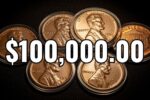
Rare Wheat Pennies are more than collectibles; they are investments. As tangible assets, they offer stability in uncertain economic times. Their rarity ensures that demand remains strong, and their historical significance adds to their appeal. Investors often diversify portfolios with rare coins, recognizing their ability to hold and grow value over decades. Unlike luxury cars, which require maintenance and lose value, rare coins can be stored safely and appreciated for generations.
The Thrill Of The Hunt
For many collectors, the pursuit of rare Wheat Pennies is as exciting as owning them. Searching through coin rolls, attending auctions, and networking with fellow enthusiasts create a sense of adventure. The possibility of discovering a rare variety adds to the thrill, making coin collecting a rewarding hobby. The stories of collectors finding valuable pennies in circulation or inherited collections continue to inspire new generations to explore numismatics.
Conclusion
Rare Wheat Pennies are treasures that combine history, rarity, and immense value. From the legendary 1943 Copper Penny to the elusive 1922 No D, these coins have proven to be worth more than luxury cars. Their appeal lies not only in their monetary value but also in the stories they tell about American history and minting practices. For collectors and investors alike, Wheat Pennies represent the perfect blend of passion and profit, ensuring their place as icons in the world of numismatics.