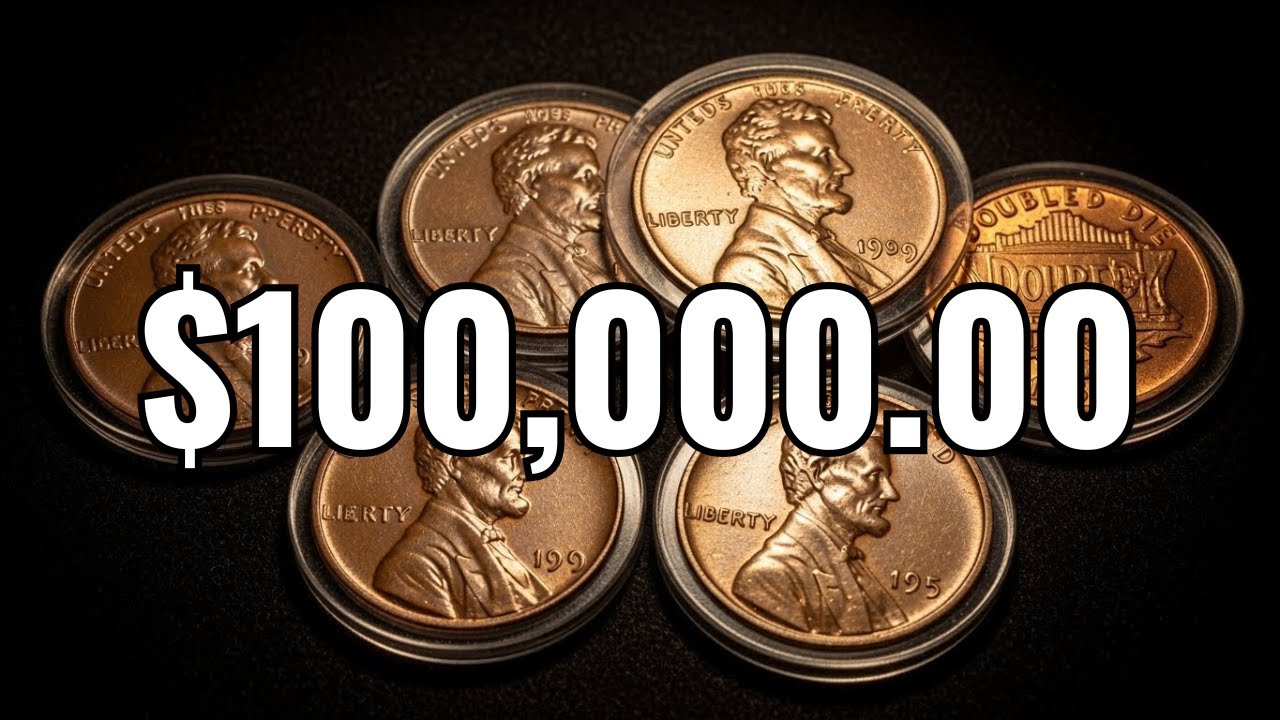
Coin collecting has always been more than just a hobby. For many enthusiasts, it is a journey into history, art, and economics. Among the most sought-after coins in American numismatics are the Wheat Pennies, minted between 1909 and 1958. These coins, featuring two wheat stalks on the reverse, are not only nostalgic but also incredibly valuable when rare varieties are discovered. Some of these pennies have fetched millions at auctions, turning ordinary collectors into millionaires overnight. Understanding which coins hold this extraordinary value requires a closer look at their rarity, condition, and historical significance.
Why Wheat Pennies Are So Valuable
The value of Wheat Pennies lies in a combination of scarcity, minting errors, and historical context. Coins that were produced in limited numbers or contain unique variations are highly prized. Collectors also place immense importance on the condition of the coin, with uncirculated or mint-state examples commanding astronomical prices. Beyond their monetary worth, Wheat Pennies represent a piece of American heritage, making them desirable for both seasoned numismatists and new collectors.

1943 Copper Wheat Penny
One of the most famous and valuable Wheat Pennies is the 1943 Copper Penny. During World War II, the U.S. Mint switched from copper to zinc-coated steel to conserve copper for wartime needs. However, a few copper planchets from 1942 were accidentally used in 1943, resulting in an extremely rare coin. Only a handful of these pennies exist today, and they have sold for millions at auction. Their rarity, combined with the historical backdrop of wartime America, makes them the crown jewel of Wheat Pennies.
1944 Steel Wheat Penny
In 1944, the Mint returned to using copper for pennies, but a few leftover steel planchets from 1943 were mistakenly struck with the 1944 design. These steel pennies are incredibly rare and highly sought after. Collectors prize them not only for their scarcity but also for the fascinating story of how they came to be. A 1944 Steel Wheat Penny in pristine condition can easily reach values in the millions, making it one of the most desirable coins in the numismatic world.
1909-S VDB Wheat Penny
The 1909-S VDB is the very first Wheat Penny ever minted, and it carries the initials of its designer, Victor David Brenner, on the reverse. Produced at the San Francisco Mint, only a limited number were struck before the initials were removed due to public controversy. With fewer than half a million in circulation, this coin has become legendary among collectors. Its historical significance as the inaugural Wheat Penny and its rarity make it one of the top five coins that could transform a collector’s fortune.
1922 No D Wheat Penny
The 1922 No D Wheat Penny is another fascinating rarity. That year, pennies were only minted in Denver, but due to a die issue, some coins were struck without the “D” mint mark. These error coins are extremely scarce and highly valued. Collectors often pay extraordinary sums for well-preserved examples, as they represent one of the most intriguing minting anomalies in U.S. coinage history. Owning one of these coins is like holding a piece of numismatic mystery.
1955 Double Die Wheat Penny
The 1955 Double Die Penny is famous for its dramatic doubling of the date and lettering on the obverse. This error occurred during the minting process and resulted in a striking visual anomaly that collectors find irresistible. While many error coins exist, few are as bold and noticeable as the 1955 Double Die. Its popularity among collectors and its rarity in high-grade condition have made it one of the most valuable Wheat Pennies ever discovered.
How Condition Impacts Value
The condition of a Wheat Penny plays a critical role in determining its worth. Coins graded as “mint state” or “uncirculated” are valued far higher than those showing signs of wear. Professional grading services evaluate coins based on factors such as luster, strike quality, and surface preservation. For rare Wheat Pennies, even slight differences in grade can mean the difference between thousands and millions of dollars. Collectors often invest in protective storage and careful handling to preserve the integrity of their coins.

The Role of Auctions in Setting Prices
Rare Wheat Pennies often make headlines when they appear at major auctions. Auction houses provide a platform where collectors and investors compete for these treasures, driving prices to record-breaking levels. The excitement of bidding wars and the prestige of owning such rare coins contribute to their astronomical values. For many collectors, auctions are the ultimate stage where fortunes are made and numismatic history is written.
Stories of Millionaire Collectors
There are numerous stories of individuals who stumbled upon rare Wheat Pennies in their pocket change or inherited collections, only to discover they were worth millions. These tales fuel the fascination with coin collecting and inspire new enthusiasts to search for hidden treasures. The possibility of finding a life-changing coin adds an element of adventure to the hobby, making it both financially rewarding and emotionally thrilling.
Tips for Identifying Rare Wheat Pennies
Collectors should familiarize themselves with the key dates and varieties that hold significant value. Examining coins carefully for mint marks, errors, and doubling is essential. Using magnification tools and consulting professional grading services can help confirm authenticity and condition. Knowledge is the most powerful tool in coin collecting, and those who study the details are more likely to uncover rare gems.
The Future of Wheat Penny Collecting
As time passes, the rarity of Wheat Pennies only increases. Coins that survive in excellent condition become scarcer, driving demand and value higher. The market for rare coins continues to grow, with investors recognizing them as tangible assets that combine historical significance with financial potential. Wheat Pennies, in particular, remain a cornerstone of American numismatics, ensuring their place in the spotlight for generations to come.
Conclusion
Rare Wheat Pennies are more than just small pieces of copper or steel; they are artifacts of history, symbols of craftsmanship, and potential gateways to immense wealth. From the legendary 1943 Copper Penny to the striking 1955 Double Die, these coins have captivated collectors and investors alike. Their stories remind us that extraordinary value can be hidden in the most ordinary places. For those who pursue the world of numismatics, the dream of becoming a millionaire through a rare Wheat Penny is not just fantasy—it is a possibility waiting to be discovered.